

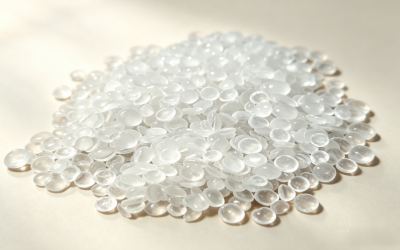
Petroleum resin (also known as hydrocarbon resin) is a thermoplastic oligomer synthesized from C5, C9, or DCPD fractions derived from petroleum cracking, with a molecular weight typically ranging from 300 to 3,000 g/mol. It appears as pale yellow to amber solid flakes, pearls, powder, or viscous liquid, and is not used alone but blended with polymers like EVA, SBS, SIS, or SEPS to enhance performance.
•Thermoplasticity: Softens when heated and hardens when cooled, enabling repeated processing.
•Low Polarity: Excellent compatibility with non-polar materials (rubber, asphalt, waxes).
•Chemical Resistance: Resistant to water, acids, alkalis, and electrolytes.
•Tackifying Effect: Significantly improves adhesion and cohesion in adhesives and rubber.
1.C5 Aliphatic Resins: Produced from piperylene, isoprene, and cyclopentadiene; offers good initial tack and flexibility, ideal for hot-melt and pressure-sensitive adhesives.
2.C9 Aromatic Resins: Synthesized from indene, vinyltoluene, and styrene; features high softening point and weather resistance, widely used in coatings, inks, and rubber.
3.C5/C9 Copolymer Resins: Combines aliphatic and aromatic advantages, balancing tack, hardness, and compatibility.
4.Hydrogenated Resins: Undergo hydrogenation to reduce unsaturation, achieving water-white color, low odor, and superior stability; suitable for food packaging and high-end electronics.
5.DCPD Resins: Derived from dicyclopentadiene; offers high thermal stability and water resistance, used in road marking paints and rubber.
Key Industrial Applications
•Adhesives & Sealants: The largest application segment (≈40% market share); improves peel strength and heat resistance in hot-melt, pressure-sensitive, and construction adhesives.
•Paints & Coatings: Enhances gloss, hardness, and drying speed; used in architectural, industrial, and road marking coatings.
•Printing Inks: Improves pigment dis